Snow Blower Won't Start? Service It Before the First Edmonton Snowfall
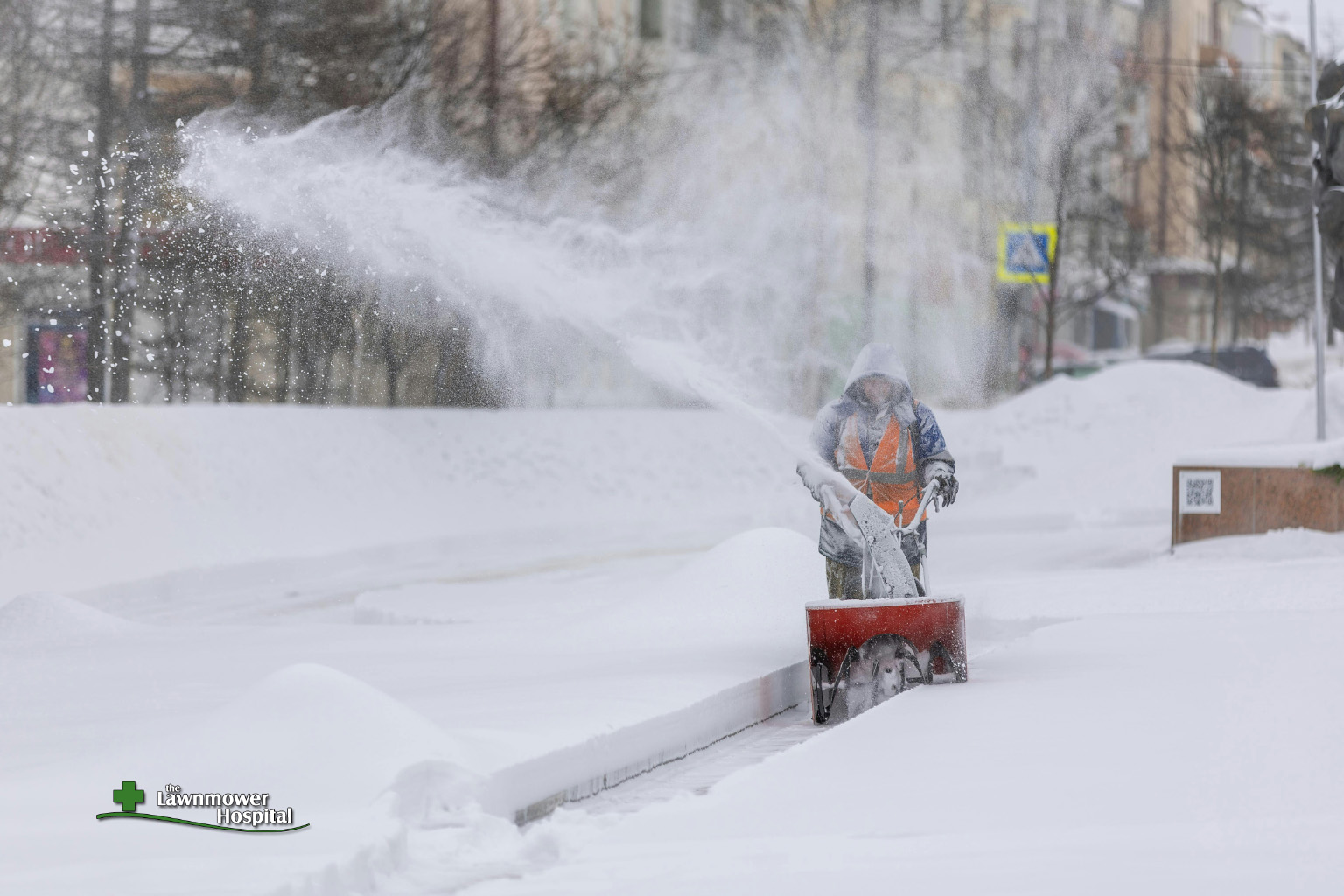
Every Edmonton winter has the same opening scene. The first real dump of snow lands overnight, you wheel the snow blower out of the garage, pull the cord a dozen times, and get nothing but a sore shoulder. Meanwhile, half your street is doing the same thing, and the repair shops fill up by lunch.
The good news is that most no-start problems and mid-storm breakdowns trace back to a short list of causes. Nearly all of them show up during a quick pre-season check in October or November, while there's still time to fix them calmly.
This guide walks through the checks that matter most: fuel and carburetor problems after summer storage, electric start systems, shear pins, augers and belts, and skid shoe adjustment. You'll learn which jobs suit a Saturday afternoon in the garage and which ones are worth handing to a technician before the snow piles up.
Why Your Snow Blower Won't Start After Summer Storage
A snow blower spends roughly half the year parked, and the problems that stop it from starting usually develop quietly during that time. Before assuming the worst, work through the basics.
Start With the Five-Minute Checks
These catch more no-start problems than you'd expect:
- Safety key. Many models need the key fully inserted before the engine will fire.
- Fuel shutoff valve. If you prepared the machine properly for storage, there's a good chance you closed the valve. Turn it back to the open position.
- Choke and primer. A cold engine typically needs full choke and a few pushes of the primer bulb. Check your manual for the exact count, since priming too many times can flood the engine.
- Spark plug wire. Make sure the boot is pressed firmly onto the plug.
- Oil level. Check the dipstick. Some engines struggle or shut down when oil runs low.
Stale Fuel and a Gummed-Up Carburetor
If the basics check out, fuel is the prime suspect. Gasoline sold at the pump contains ethanol, and it begins to break down after about 30 days. Over a summer, that degraded fuel leaves sticky varnish in the carburetor's tiny passages, which starves the engine of fuel.
The typical symptoms are an engine that cranks without firing, or one that sputters briefly and dies.
Here's the order of operations:
- Drain the old fuel from the tank and replace it with fresh gasoline.
- Try starting again. Fresh fuel sometimes clears a mild blockage on its own after several attempts.
- If it still won't fire, the carburetor likely needs cleaning or rebuilding. That's a job for a shop unless you're comfortable taking one apart.
For next spring, either run the machine dry before storage or add a fuel stabilizer to fresh gas. Another option is alkylate fuel. Lawnmower Hospital stocks Aspen, which is marketed with a five-year shelf life and is popular for equipment that sits for months at a time. Our guide on how to winterize your lawn mower and yard tools covers the same fuel habits for your summer equipment.
Electric Start: Plug-In Starters and Battery Packs
"Electric start" means different things depending on the machine, and the troubleshooting changes with it.
Plug-In Starters on Gas Snow Blowers
Most gas snow blowers with electric start use a 120-volt AC starter that plugs into a household outlet. The engine still runs on gasoline. The cord only spins the starter.
If pressing the button does nothing:
- Check the outlet by plugging in another device.
- Inspect the cord. Manufacturers specify a grounded, three-prong cord, and many require one rated for outdoor use. Some models also restrict extension cords, so check your manual.
- Use short bursts. Snapper, for example, recommends cranking for five seconds at most and waiting a minute between attempts to protect the starter.
- Try the recoil pull as a backup. If the engine starts on the rope, the problem is in the electric start circuit rather than the engine.
When you're done, unplug the cord from the wall first, then from the machine.
Battery-Powered Snow Blowers
Cordless models like EGO's 56V snow blowers run on lithium-ion packs, and cold storage is their biggest weakness. EGO's manuals say to store batteries where the temperature stays above -20°C and to charge them within the range listed for your model. Several EGO models list 0°C to 40°C.
Alberta winters make that a real consideration. An unheated Edmonton garage can drop well below -20°C during a cold snap, so keep the packs indoors and click them in right before you head out. If the machine won't start on a frigid morning, EGO advises bringing the battery inside to warm for at least 10 minutes and trying again.
Snow Blower Shear Pins: A Small Part That Protects the Gearbox
If you own a two-stage machine, shear pins deserve a spot on your pre-season checklist. Ariens describes a shear pin as a deliberately weak bolt that connects the auger to the auger shaft. Every two-stage snow blower has at least one on each side of the auger gearcase.
When the auger swallows a frozen newspaper, a chunk of ice or a rock, the pin snaps on purpose. The auger stops turning, and the far more expensive gearcase is spared.
Signs of a broken shear pin:
- The machine seems to push snow along instead of throwing it
- Snow builds up at one or both ends of the auger housing
- One side of the auger spins while the other sits still
When replacing them:
- Use the shear pins specified for your model. A standard hardware bolt is stronger than the pin it replaces, and that extra strength passes the shock straight into the auger and gearbox.
- Tighten the lock nut snugly, leaving the pin free to do its job.
- Keep a few spares on hand. They're inexpensive, and a broken pin always seems to happen during the biggest storm of the year.
You can find the correct pins for your model through our online parts lookup, or ask our parts counter to match them for you.
Auger, Impeller and Belt Checks
With the engine off and the spark plug wire disconnected, take a close look at the parts that move the snow.
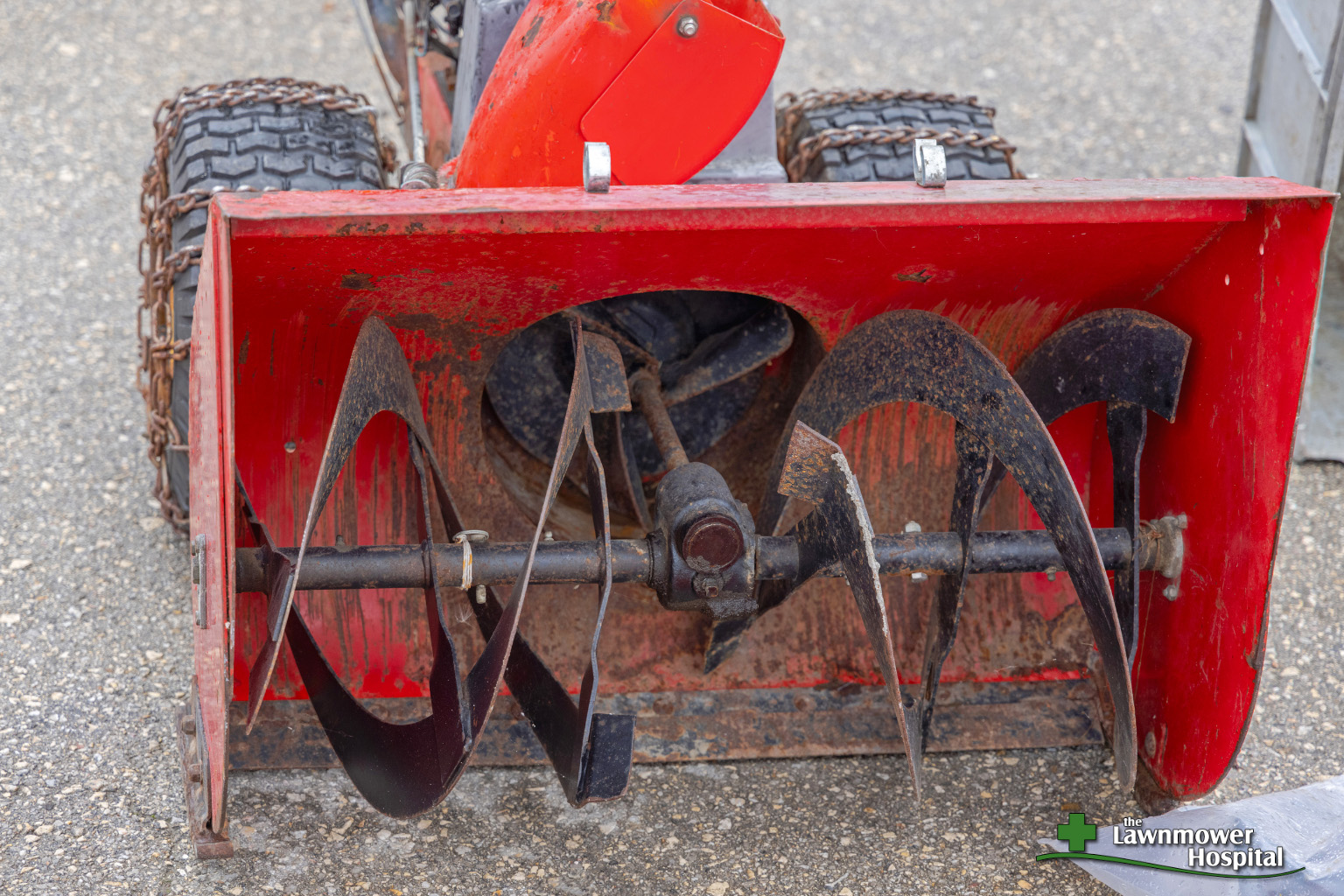
Single-stage machines use rubber or plastic paddles that contact the pavement. Check them for cracks, tears and uneven wear, since worn paddles leave a layer of snow behind and lose throwing power.
Two-stage machines use a metal auger to feed snow into an impeller, which throws it out the chute. Look for bent auger flights, cracks in the housing and anything wedged around the impeller.
Belts are the other common culprit. Warning signs include:
- The auger slowing or stopping under a heavy load
- Squealing when you engage the auger or drive
- Visible cracks, glazing or fraying on the belt
Ariens notes that if a snow blower still throws poorly after scraper and skid shoe adjustments, the auger drive belt likely needs replacing. Belt work usually means removing covers and adjusting tension, so many owners leave it to a service shop.
Skid Shoe Adjustment for Edmonton Driveways
Skid shoes are the two metal plates on the outside of the auger housing. They set the height of the scraper bar above the ground, and the right setting depends on what you're clearing.
Ariens recommends this approach:
- Place spacers under each end of the scraper bar. Use 1/8-inch spacers for paved surfaces and 1/2-inch spacers for gravel.
- Loosen the skid shoe hardware.
- Let the skid shoes rest flat on the ground.
- Tighten the hardware, keeping both sides even so the housing sits level.
Paved city driveways get the lower setting for a cleaner scrape. Gravel driveways, common on acreages around Edmonton, need the higher setting so the auger skims over the stones instead of picking them up and throwing them.
Check the scraper bar while you're there. Ariens points out that friction wears it down over time, sometimes within one or two seasons. Adjust or flip it if the design allows, and readjust the skid shoes afterward.
A Pre-Season Snow Blower Maintenance Checklist for Alberta
Run through this list each fall:
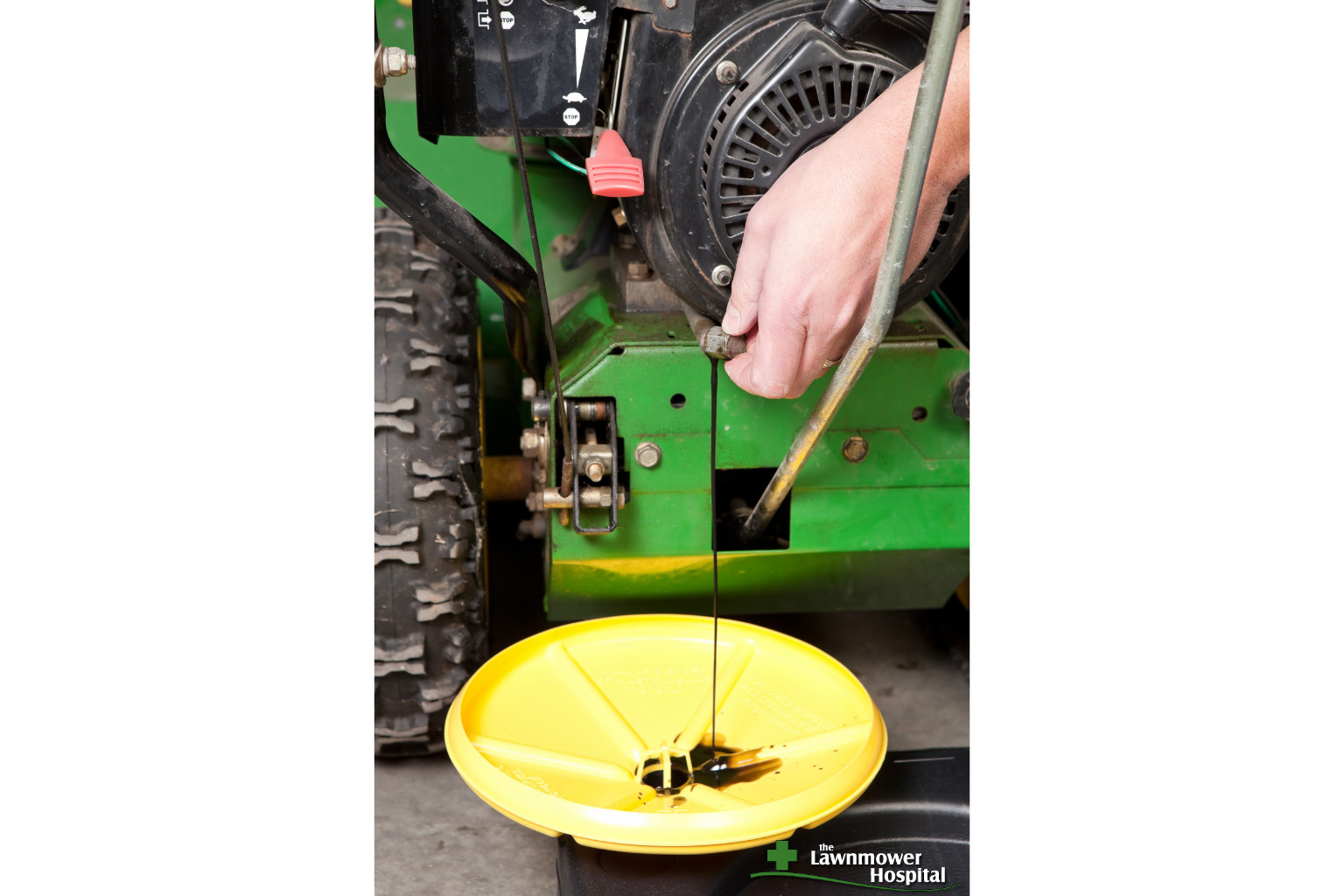
- Change the oil. 5W-30 is widely specified for snow blower engines, and brands including Toro and Husqvarna sell 5W-30 oils made for winter use. Confirm the grade in your owner's manual.
- Inspect or replace the spark plug. A cracked or fouled plug is a common cause of hard starting.
- Check tire pressure and the condition of the chute rotation and deflector controls.
- Lubricate moving parts as your manual specifies.
- Locate your clean-out tool. Most snow blower injuries happen when people clear a clogged chute or auger by hand. Always shut off the engine, wait for every moving part to stop, and use the tool.
- Start the machine outdoors. Running an engine in a closed garage risks carbon monoxide poisoning.
When to Book a Professional Snow Blower Tune-Up in Edmonton
Some jobs are easy at home, like fresh fuel, a new plug, an oil change or shear pins. Others are worth handing to a technician. Here are examples of snowblower maintenance Alberta residents should leave to the professionals:
- Carburetor cleaning or rebuilding
- Belt replacement and tension adjustment
- A bent auger or damaged impeller
- Electric start problems that persist after you've ruled out the cord and outlet
- Any machine that still won't start after the basic checks
Timing matters more than most people realize. Once the first heavy storm hits, everyone who skipped their fall check calls at once. Booking a pre-season snow blower service now means a shorter wait and a machine that's ready the moment you need it. If you're weighing a replacement instead of a repair, our single-stage vs. two-stage snow blower guide can help you choose, and you can browse our current snow blower lineup.
Get Your Snow Blower Ready Before the Next Storm
Most snow blower problems give fair warning. Stale fuel, a closed fuel valve, a broken shear pin, a worn belt or a cold battery account for a large share of winter breakdowns, and each one is far easier to fix in the garage than at the end of an unplowed driveway.
A short pre-season check, plus a professional tune-up when the job calls for it, keeps your machine reliable all winter.
The team at The Lawnmower Hospital handles snow blower repair, parts and authorized warranty service for top brands including Ariens, Husqvarna, Honda engines and Briggs & Stratton. Visit our parts and service page to request an appointment, or contact us for a consultation. You can also call 780-437-1851 or stop by 7555 72A Street NW in Edmonton. Book your pre-season snow blower service now and beat the first-storm rush.