What's Killing Your Edmonton Lawn? A Guide to Common Pests and Diseases
Brown patches showing up in an otherwise healthy lawn are one of the most frustrating mysteries a homeowner can face. You water more, the patches spread anyway. You fertilize, and somehow things get worse. The problem is that drought stress, insect damage, and fungal disease can all look nearly identical from the deck, yet each one calls for a completely different fix. Treating the wrong cause wastes money and often adds stress to grass that is already struggling.
This guide covers the Edmonton lawn pests and diseases we hear about most from customers: chinch bugs, white grubs, snow mold, fairy ring, and leaf spot. For each one, you'll learn how to identify it, what conditions invite it, and what actually works to fix it. You'll also see how your mowing habits and equipment play a surprisingly large role in whether these problems take hold in the first place.
Chinch Bugs in Edmonton: The Drought Impostor
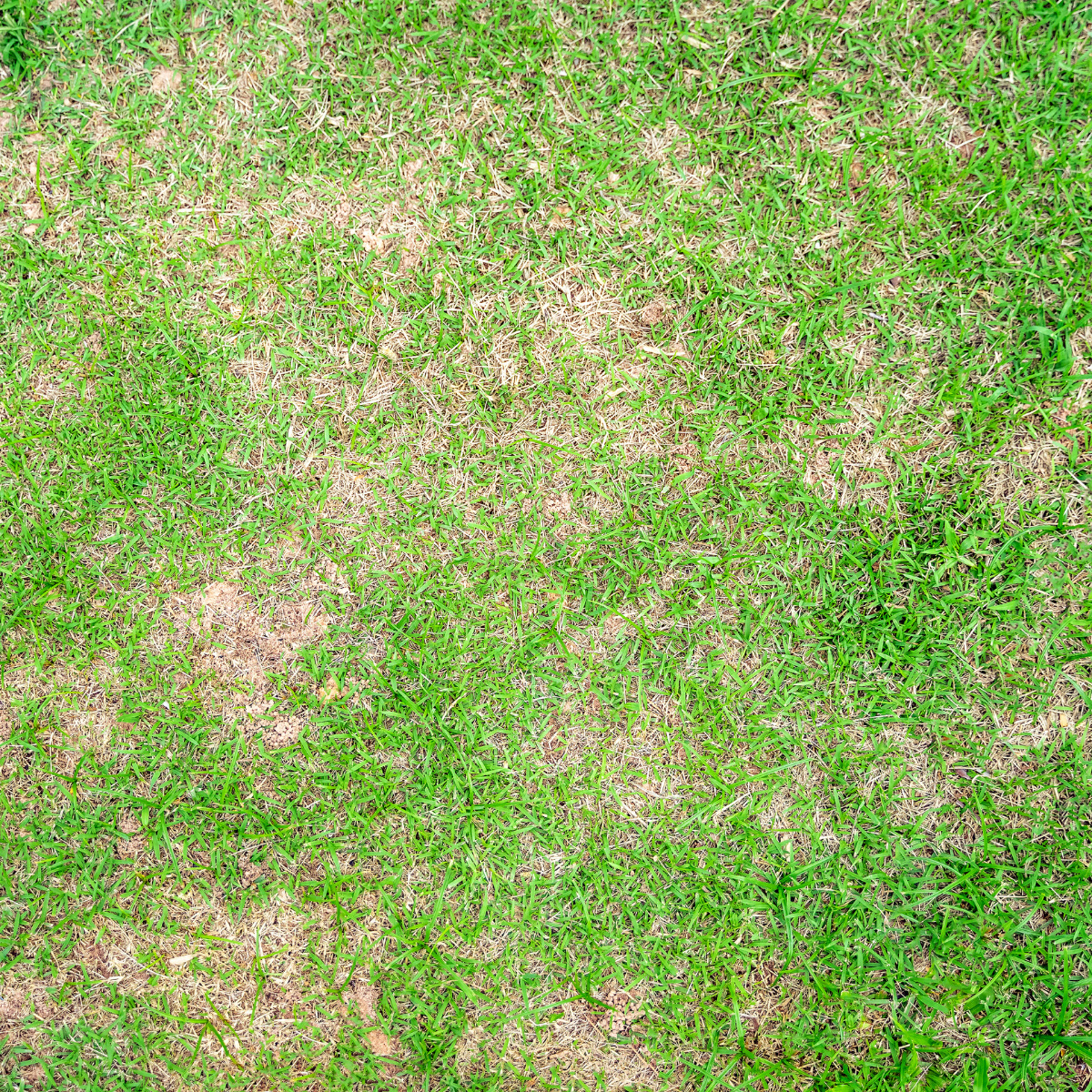
Chinch bug damage fools more homeowners than any other lawn problem because it looks exactly like drought stress. Yellow and straw-coloured patches appear during hot, dry stretches of summer, right when you'd expect the lawn to be thirsty. The telltale difference is that chinch bug patches keep spreading even after you water.
The chinch bug species found in Alberta has adapted well to our cooler climate, surviving winters by sheltering in leaf litter and protected spots around buildings. Infestations have been reported across the province, including Edmonton. These tiny insects, only about 4 mm long, feed by piercing grass blades near the lower stem and crown and sucking out the sap. As they feed, they inject a toxin that disrupts the plant's ability to move water and nutrients, which is why damaged grass yellows, wilts, and eventually dies.
How to Confirm Chinch Bugs Before You Treat
A simple flotation test settles the question. Cut both ends off a metal can, push one end a few inches into the soil at the edge of a damaged patch, and fill it with water. Wait five to ten minutes. Any chinch bugs present will float to the surface. According to Government of Canada guidance, healthy turf can tolerate around two or three bugs per can, while stressed turf may suffer at even lower numbers.
For treatment, focus on the affected zones. Light infestations often respond to improved lawn care: proper watering, regular aeration, and mowing at the right height, since grass cut too short is more vulnerable to chinch bug damage. Heavy infestations may require an insecticide labelled for chinch bug control, applied strictly according to label directions to protect pollinators and beneficial insects.
White Grubs: When Your Turf Lifts Like a Carpet
White grubs are the larvae of beetles such as June beetles and chafers, and they feed on grass roots below the surface. The damage shows up as irregular dead patches, but the diagnostic giveaway is physical: grass with severed roots pulls up easily, lifting away like a loose rug.
Wildlife often finds grubs before you do. Skunks, raccoons, and birds tearing up sections of lawn overnight are usually digging for a grub meal, so fresh animal damage is a strong clue about what's happening underground. Peel back a suspect patch and look for white, C-shaped larvae in the top few inches of soil.
Cultural practices are your first line of defence. Healthy, deeply rooted turf tolerates modest grub populations without visible damage, so proper mowing height and sensible fertilization go a long way. Biological options like beneficial nematodes target grubs directly. For severe infestations, treat with a registered grub control product and repair the dead areas by raking out loose turf and overseeding.
Snow Mold on Alberta Lawns: The Post-Winter Surprise
If you've lived through even one Edmonton spring, you've probably seen snow mold. As the snow melts, circular patches of matted, crusty, grey or pinkish grass appear, typically 4 to 12 inches across, often concentrated where snow was piled deepest.
There are two types. Grey snow mold usually damages only the grass blades, and lawns generally recover on their own. Pink snow mold is the more serious of the two because it can kill grass at the crown and roots, leaving dead spots that need reseeding.
The conditions that favour snow mold read like a description of a normal Edmonton winter: lush growth heading into fall, extended snow cover, and high moisture underneath the snowpack. That means prevention happens in autumn:
- Mow shorter for the final cut of the year. Long grass mats down under snow and holds the moisture snow mold loves.
- Avoid piling deep snow on the lawn when clearing driveways and walks, since those piles melt last and extend the mold's growing window.
- Rake up leaves in fall so they don't create a wet mat over the turf.
In spring, gently rake affected patches to lift the matted grass and speed up drying. Most grey snow mold damage greens up again within a few weeks. Reseed any spots where pink snow mold killed the crowns. Our post on prepping your lawn and equipment for spring covers this early-season recovery routine in more detail.
Fairy Ring: The Circle You Can't Spray Away
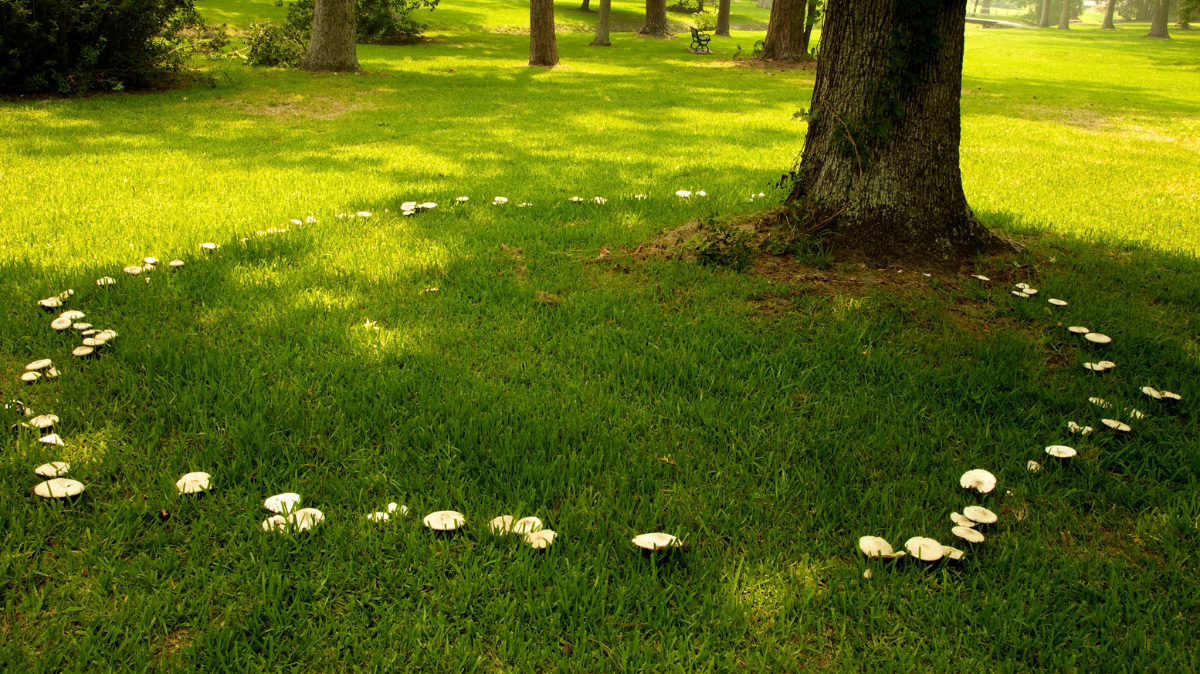
Fairy ring is easy to spot and hard to eliminate. It appears as circles or arcs of dark green, fast-growing grass, sometimes with mushrooms along the ring and sometimes with a band of dead grass. Rings range from a few centimetres to several metres across, and they expand outward year after year.
The cause lives underground. Fairy ring fungi feed on decaying organic matter buried in the soil, such as old tree stumps, roots, or construction lumber left behind when a neighbourhood was built. As the fungus breaks that material down, it releases nitrogen, which produces the ring of lush green growth. During dry spells, the dense fungal mat below can also repel water, stressing the grass above it.
Here's the hard truth: there is no reliable chemical cure for fairy ring in home lawns.
Management focuses on strengthening the lawn instead. Aerate the affected area to help water penetrate the fungal mat, keep the ring well watered during dry periods, fertilize to mask the colour difference, and control thatch. In severe cases, the only permanent fix is removing the infested soil well beyond the visible ring and re-sodding with fresh soil.
One detail most homeowners never hear: the fungus can spread to healthy areas on your equipment. Clippings and soil clinging to a mower deck carry mycelium with them, so cleaning your deck after mowing over a fairy ring is a genuinely useful habit.
Leaf Spot and the Dull Blade Connection
Leaf spot shows up as small dark spots with purplish-brown borders scattered across individual grass blades, usually during cool, wet stretches in spring and early fall. Left unchecked in favourable weather, the fungal infection can progress to a stage called melting out, where entire patches thin and fade.
This is the disease with the most direct connection to your mower. Fungal spores enter grass through wounds, and a dull mower blade creates thousands of them every time you cut. A sharp blade slices cleanly, and those cuts seal quickly. A dull blade tears and shreds each grass tip, leaving ragged, slow-healing wounds that stay open to infection, lose extra moisture, and give the whole lawn a brown haze within a day of mowing.
Mowing height matters too. Cutting too short stresses the plant and thins the protective canopy that shades soil and crowns. For Edmonton's Kentucky bluegrass and fescue lawns, keeping the deck around 2.5 to 3 inches through the season, and higher in midsummer heat, builds turf that resists disease on its own.
How Your Equipment Habits Protect Your Lawn
Across all five of these problems, the same pattern keeps appearing. Healthy, properly mowed grass shrugs off pressures that devastate a stressed lawn. Three equipment habits make a measurable difference:
- Keep your blade sharp. Sharpen lawnmower and lawncare equipment blades regularly through the season, and inspect for nicks after hitting debris. Clean cuts close fast and deny fungi their entry point.
- Mow at the right height. Taller grass grows deeper roots, shades out weed seeds and tolerates chinch bug and grub feeding far better than scalped turf.
- Clean your mower deck. Caked clippings hold moisture and disease spores, and they can ferry fairy ring fungus to clean areas of your yard.
If your mower is tearing grass, cutting unevenly, or overdue for a blade service, that's not a lawn health problem as much as it is an equipment problem. Our parts and service team sharpens and balances blades, levels decks, and handles full tune-ups so every cut works in your lawn's favour.
Get Your Mower Working For Your Lawn, Not Against It
Figuring out what's killing your Edmonton lawn comes down to reading the clues: patches that spread despite watering point to chinch bugs, turf that lifts freely means grubs, matted spring circles are snow mold, expanding green rings signal fairy ring, and spotted blades in damp weather suggest leaf spot. Match the treatment to the actual cause and recovery gets much easier. Then back it up with sharp blades, proper mowing height, and a clean deck to keep problems from returning.
The team at The Lawnmower Hospital has helped Edmonton homeowners keep their equipment, and by extension their lawns, in top shape for decades. Contact us for a consultation, call 780-437-1851, or visit us at 7555 72A Street NW to book a blade sharpening or full spring lawnmower tune-up. A healthy lawn starts with a clean cut.